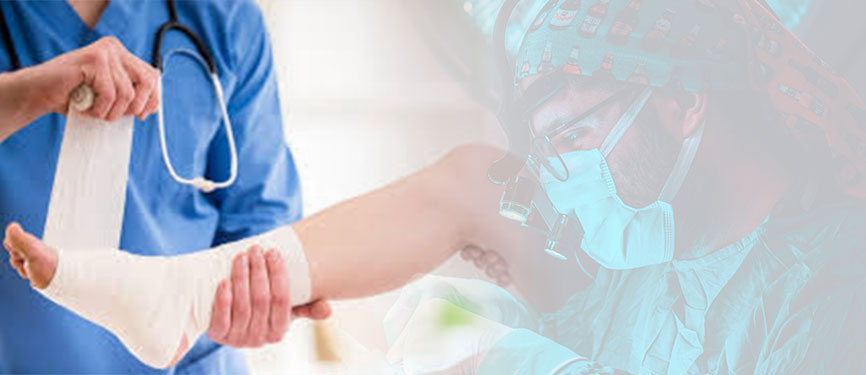


Diabetic foot reconstruction refers to surgical procedures used to treat wounds, ulcers, and deformities in the feet of individuals with diabetes. Due to nerve and vascular damage caused by diabetes, patients are at high risk for serious foot injuries and infections. Soft tissue reconstruction is often required to restore both functional integrity and aesthetic appearance of the foot.

Recovery depends on the type of surgery performed and the patient’s overall health, especially their diabetes management. Important elements include:
• Wound Care: Keep the surgical site clean and dry to prevent infection
• Physical Therapy: Necessary to restore foot mobility and function
• Blood Sugar Control: Maintaining optimal blood glucose levels is critical for healing
• Rest: Reduce strain on the affected foot during initial recovery
• Pain Management: Use prescribed medications as directed to manage post-operative pain
To support recovery and prevent complications:
• Monitor Blood Sugar: Regularly check blood glucose levels and follow your dietary plan
• Maintain Hygiene: Ensure the surgical site remains clean and dry
• Regular Follow-Ups: Attend all scheduled doctor visits to track healing
• Continue Physical Therapy: Adhere to rehabilitation programs if recommended
• Foot Care: Use protective footwear and moisture-wicking socks to prevent pressure or irritation


I have a preliminary meeting with my patients without any time constraints.
The planning of the surgery time is done in collaboration with my patients.
02

I perform the operation in our hospital with high technology and equipment.
As a team, we are in contact with our patients for post-operative check-ups or any adverse events that may occur.
04