


Botox
Botox
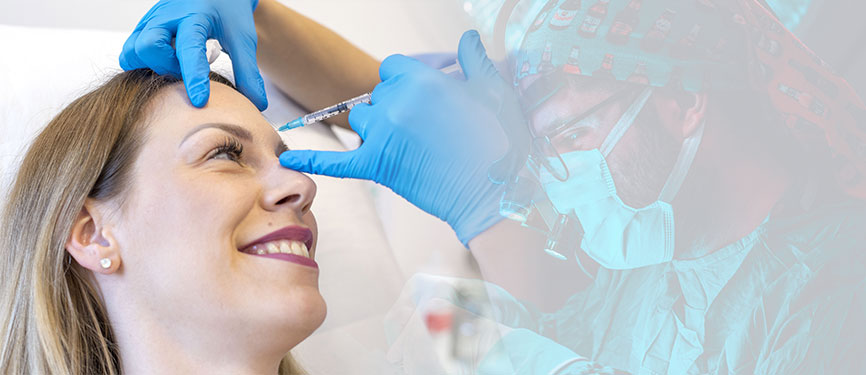
Botox is a cosmetic procedure that involves the use of a protein called botulinum toxin. This protein temporarily paralyzes muscle movement, reducing the appearance of fine lines and wrinkles. Botox is a non-surgical treatment primarily used for facial rejuvenation. In addition to its aesthetic benefits, it is used to treat excessive sweating (hyperhidrosis), migraines, and certain muscular disorders. The greatest advantage of Botox is that it helps to achieve a youthful and refreshed appearance without surgery.
What is Masseter Botox?
- Masseter Botox is an injection administered to the masseter muscle located in the jaw. It is commonly used to treat tooth grinding (bruxism) and slim the jawline for a more contoured appearance. The jawline appeared thinner and more refined when the size of the masseter muscle was reduced.
- When performed correctly and at the appropriate dosage, it did not significantly interfere with the chewing function. Although patients may initially experience a slight feeling of weakness, this usually resolves quickly.
What is Sweating Botox?
- Sweating Botox is used to treat excessive sweating (hyperhidrosis). Botulinum toxin blocks nerves that stimulate sweat glands, thereby reducing sweat production. This treatment is most commonly applied to areas such as the underarms, palms, and soles of the foot.
- Its effects typically last 4–6 months, and repeated treatments may be necessary to maintain the results.
Is Botox Safe?
- Botox has been safely used in medicine and cosmetics for many years. Approved by the FDA (U.S.) Food and Drug Administration (FDA)), Botox is considered safe when administered by experienced professionals. As it is a minimally invasive procedure, the risks and side effects are generally low. The needles used were very fine, so discomfort during and after the injection was minimal. However, it is crucial to consult a qualified and experienced physician, such as a plastic surgeon or dermatologist, before administering Botox treatment.
Frequently Asked Questions
The effects of Botox typically last between 3 and 6 months. This duration can vary depending on the individual's skin type, age, lifestyle, and area treated. As the effects begin to wore off, follow-up treatments can help maintain the results. With regular use, fine lines and wrinkles may become less pronounced.
The effects of Botox usually begin within 3–5 days, with full results visible in 10–15 days. During this period, the toxin gradually reduced muscle activity, leading to smoother skin. Temporary redness or swelling may occur, but typically subsides quickly.
Botox can be applied to various facial regions including the forehead, glabella (between the eyebrows), crow’s feet (around the eyes), nasal sidewalls, upper lip, chin, and neck. It can also be used to treat hyperhidrosis in the underarms, palms, and soles of the feet. The target areas were determined based on the patient’s needs and the physician’s assessment.
The side effects of Botox are usually mild and temporary. The most common symptoms include slight swelling, redness, bruising, and headache. Rarely, patients experience drooping eyelids or facial asymmetry. These adverse effects typically resolve on their own within a few days. In rare cases of serious side effects, prompt contact with a healthcare provider is essential.
Botox is not recommended for the
• Pregnant or breastfeeding women
• Individuals with certain neurological disorders
• Those allergic to botulinum toxin or any ingredients in the formula
• Patients with bleeding disorders or infections at the injection site
It is important to discuss your medical history and medications with your doctor before treatment.
To ensure optimal results and minimize side effects, patients should follow specific aftercare guidelines.
• Avoid touching or massaging the treated area for the first 24 hours
• Keep the head elevated for at least 4 hours
• Avoid lying down flat immediately after the procedure
• Refrain from exercising, using saunas, or exposing yourself to heat for the first 24 hours
When administered correctly and at appropriate doses, Botox does not eliminate facial expressions. The goal is not to paralyze the muscles completely, but to reduce excessive activity that causes wrinkles. Treatments performed by experienced physicians preserve natural expressions and deliver subtle refreshed results.
With consistent and controlled use, Botox typically provides long-term cosmetic benefit. Over time, the skin appeared smoother and more youthful. However, its excessive or inappropriate use may lead to muscle atrophy (muscle thinning). It is essential that treatments be tailored to individual needs and performed by qualified practitioners.
Botox and dermal fillers are both used to treat wrinkles; however, they work differently.
• Botox: Temporarily weakens muscle activity to soften dynamic wrinkles caused by facial movements
• Dermal Fillers: Add volume beneath the skin (e.g., with hyaluronic acid) to fill static wrinkles caused by volume loss
The choice between them depends on the type of wrinkle and treatment goals.
Botox treatments are quick and straightforward, typically lasting between 10 and 30 min, depending on the areas treated and the physician’s experience. Patients usually return to their daily activities immediately after the procedure.
Botox is a purified protein derived from Clostridium botulinum. Although it is a natural bacterial toxin, it is processed in the laboratory under strict conditions and used in controlled doses to ensure safe application in medical and cosmetic procedures.
Botox injections are generally well tolerated with minimal discomfort. The needles used are ultrafine, and topical anesthetic creams can be applied beforehand to further reduce pain.
While there is no strict age limit, Botox is typically administered to individuals over 18 years of age. Those considering Botox for wrinkle reduction should consult a dermatologist or plastic surgeon to determine whether they are suitable candidates.
It is advisable to avoid applying makeup immediately after the Botox treatment. For the first 24 h, the treated area was refrained from touching or massaging. After this period, light makeup can be applied, preferably by using gentle, non-irritating products.

Dr. Burak Ergün Tatar
Surgery Process

Preliminary Interview
I have a preliminary meeting with my patients without any time constraints.
Planning
The planning of the surgery time is done in collaboration with my patients.
02

Operation
I perform the operation in our hospital with high technology and equipment.
Follow-up
As a team, we are in contact with our patients for post-operative check-ups or any adverse events that may occur.
04